Digital Point of No Return: How a Facebook Post Changed Ukraine's History and Media Landscape
A single social media post in November 2013 triggered a chain of events that led to the Revolution of Dignity and a radical transformation of Ukrainian media.
 💡Tech
Photo: Ukrainska Pravda
Key points
- Mustafa Nayyem's Facebook post on November 21, 2013, sparked the Revolution of Dignity.
- Independent digital media provided crucial live broadcasts countering oligarchic censorship.
- Press markings became targets for security forces, yet journalists continued their work.
- The lessons of Maidan prove that suppressing free speech leads inevitably to systemic collapse.
The autumn day of November 21, 2013, began routinely, yet a simple journalist's call on Facebook became the catalyst for massive historical changes. Mustafa Nayyem's post suggesting a gathering near the Independence Monument following the Azarov government's suspension of European integration quickly escalated into a mass protest. This demonstrated the unprecedented power of digital platforms and their ability to mobilize society instantly.
The Media Revolution and the Era of Livestreams
Simultaneously with the popular uprising, a media transformation unfolded. While major oligarchic TV channels with million-dollar budgets ignored the events or tried to downplay them under censorship, independent initiatives such as Hromadske, Ukrainska Pravda, and Radio Free Europe provided live broadcasts from the epicenter. It was the first time events of such scale were covered in real-time through independent digital channels.
Journalistic work during the Revolution of Dignity came with colossal risks. Press credentials and markings turned into direct targets for law enforcement, especially after the violent dispersal of students on the night of November 30. Despite injuries, threats, and danger, media workers continued to document the regime's crimes, creating an invaluable historical archive.
The Safety of Free Speech Today
Years later, the role of independent media remains critically important, though the profession has not become safer. Today, Ukrainian reporters work under constant threat—targeted by the enemy, facing persecution and drone attacks. The lessons of 2013 prove that any attempt to suppress freedom of speech leads to state catastrophe, while professional journalism acts as a crucial safeguard against authoritarianism.
Source Ukrainska Pravda — pravda.com.ua/columns/2026/11/21/8063650/ ↗
Read next
 🩺Health
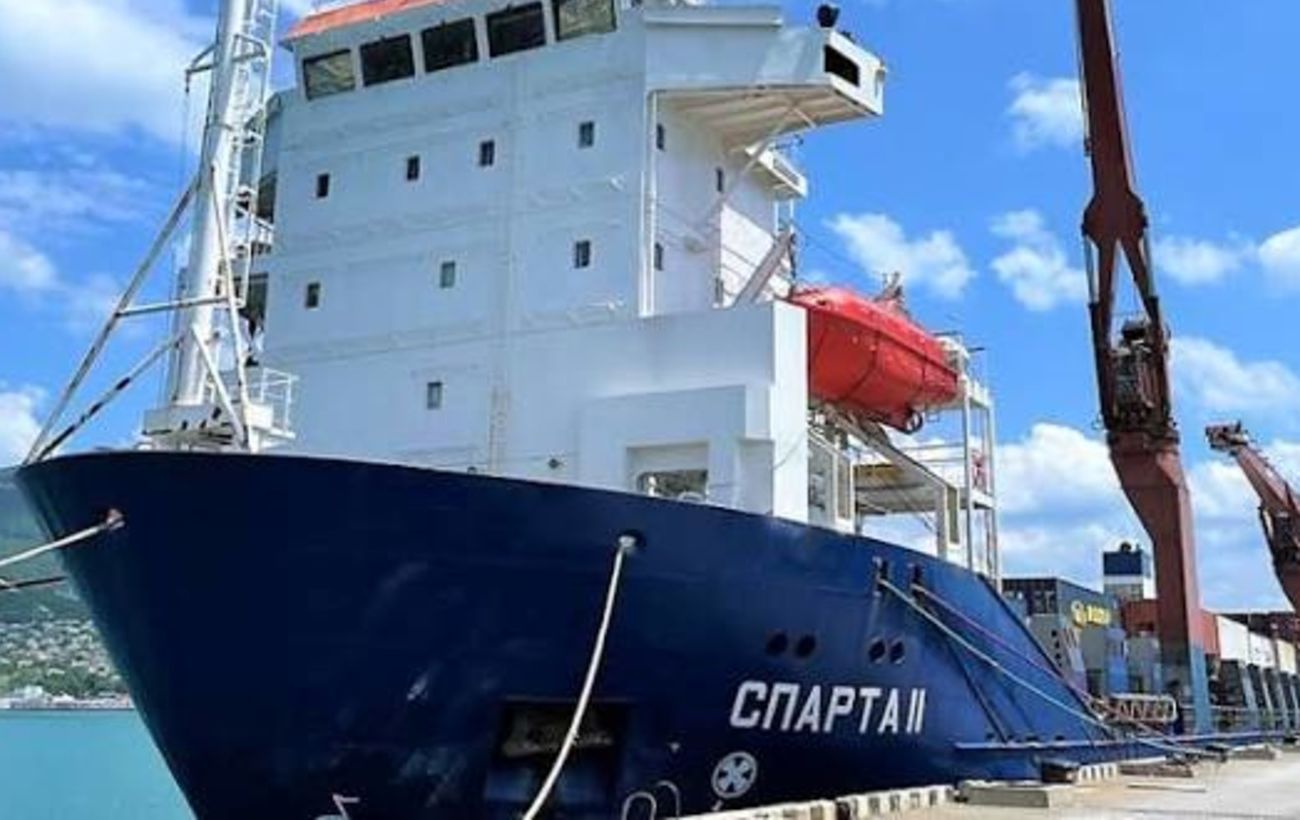
Fire on Russian vessel Sparta II in Finland: Operation ongoing
The firefighting operation is still underway in the Gulf of Finland on the Russian cargo ship Sparta II, hit by Ukrainian drones.
 🩺Health
Nighttime Drone Attack on Kyiv Region: Search Underway in Dymer After Residential Building Hit
A Russian drone attack on the town of Dymer in the Kyiv region has damaged a residential building, leaving fourteen residents unaccounted for.
 👥Society
Famous singer Miley Cyrus secretly marries in California
American artist Miley Cyrus has tied the knot with musician Max Morando during an intimate ceremony in Palm Springs.
 👥Society
The Philosophy of Reconstruction: Living in the Era of Repairing a Broken World
Reflections on how the daily labor of utility workers and engineers shapes the new reality for frontline communities.
 👥Society
Emotional Reunion and Tour Backstage: How Ukrainian Theater Supports Compatriots in Europe
Comedy Space producer Serhiy Chudayev shared insights into organizing Ukrainian theater tours in Europe and their significance for displaced citizens.
 🏛️Politics
Parliamentary oversight comes first: Expert comments on NABU director's obligations amid new controversy
NABU Director Semen Kryvonos must personally address the parliamentary temporary investigative commission regarding scandalous statements by SBU General Serhii Duka.