Russia's Shift in Fuel Market: From Exporter to Importer Following Refinery Strikes
Systematic strikes on Russian oil refining infrastructure have forced the aggressor state to pivot to active gasoline imports, highlighting a deep industrial crisis.
 💼Economy
Photo: UNIAN
Key points
- Russia shifted from fuel exporter to importer due to refinery strikes
- Fuel imports have become a systemic necessity for the Russian economy
- Loss of capacity at complex refineries is critically reducing output
- Ukrainian strikes are forcing Russia to deplete reserves and limit fuel sales
Crisis in the Russian Fuel System
Russia, which long held the status of one of the world's largest exporters of petroleum products, has found itself critically dependent on fuel imports. According to Financial Times data, sea-borne gasoline imports reached 390,000 tons in October alone. This figure marks a new stage in the transformation of the Russian economy under the pressure of strikes on key oil refining facilities.
Experts note that the situation has ceased to be a temporary phenomenon. While Moscow previously attempted to address local shortages, imports are now becoming a systemic tool for maintaining the internal market. The primary suppliers of fuel have become Turkey, India, Morocco, Egypt, and Belarus, which has sent over 600,000 tons of gasoline to Russia since the summer.
Consequences for the Oil Industry
Kpler analyst Sumit Ritolia emphasizes that the loss of capacity at complex refineries has a much deeper impact on the economy than the shutdown of simpler plants. Currently, gasoline production in Russia is estimated to be 13-18% below the levels seen at the beginning of 2026. Despite the Kremlin's attempts to stockpile reserves, the resumption of attacks on infrastructure, such as the recent strike on a plant in Bashkortostan, quickly negates these efforts.
Russia is gradually changing its position in the global petroleum products market, turning from a major fuel export hub into an increasingly important import market, — notes analyst Sumit Ritolia.
The situation remains tense: major players like Rosneft have already been forced to impose restrictions on fuel sales at their own gas stations. Further intensification of strikes could lead to structural changes in the functioning of the entire Russian economy, which is losing its former energy resilience.
Source UNIAN — unian.ua/economics/energetics/udari-po-npz-rosiji-krajina-benzokolo… ↗
Read next
 🛡️Security
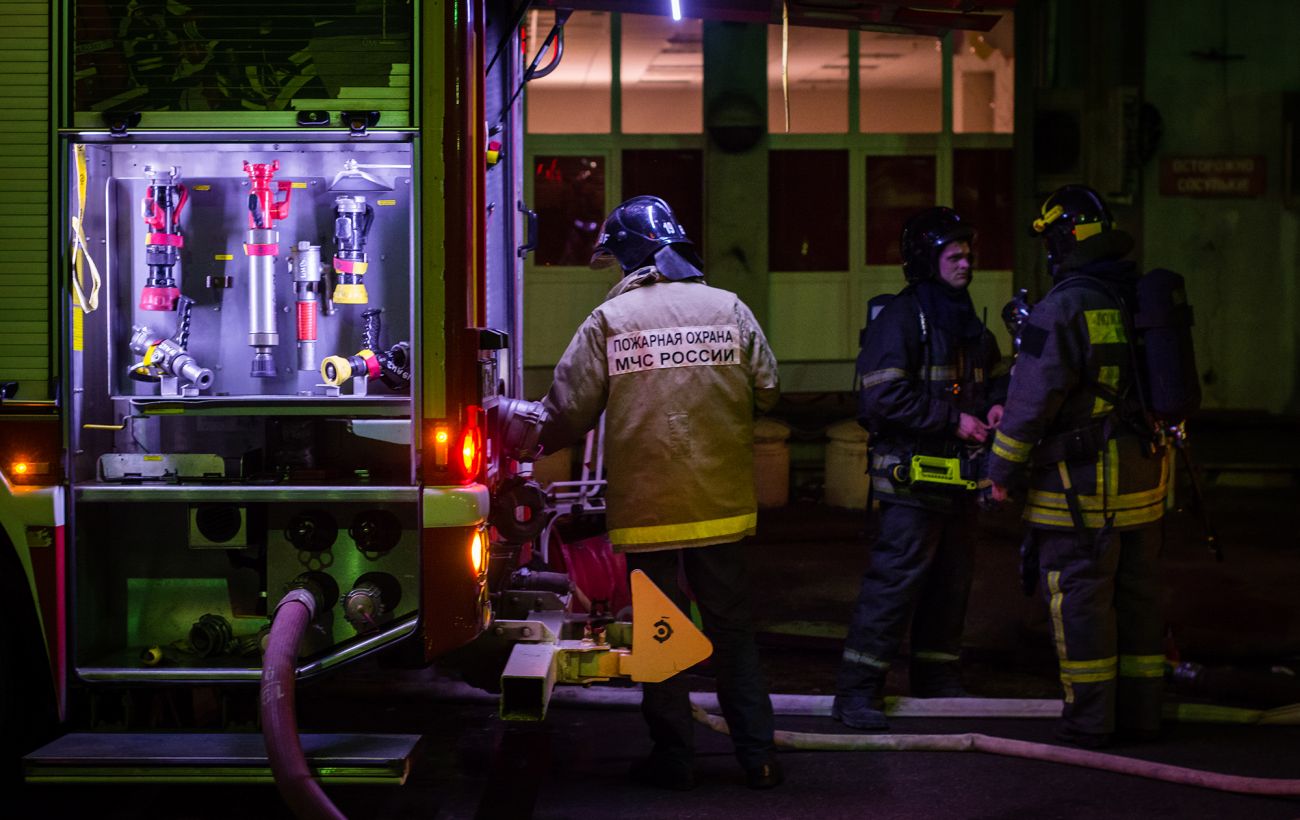
Kherson Region Resident Suspected of Treason for Serving in Russian Army
A Kherson region resident has been notified of suspicion of high treason for participating in hostilities as part of the Russian 'BARS-4' formation.
 👥Society
Strategic Rear Strikes: Ukrainian Special Forces Hit Oil Facilities in Perm and Tatarstan
Ukraine's SSO and SBU conducted a large-scale operation targeting key Russian fuel infrastructure supporting military logistics.
 👥Society
RF military threat will persist even after the war ends, warns NATO chief
NATO Secretary General Mark Rutte warned that Russia's military machine will continue operating at full capacity even after the war in Ukraine concludes.
 🛡️Security
Khmelnytskyi resident? No, Kherson Region Resident Suspected of Treason for Serving in Russian 'BARS-4' Assault Detachment
A resident of the Kherson region has been served a notice of suspicion in absentia for high treason and voluntarily fighting against the Ukrainian Armed Forces within the…
 🛡️Security
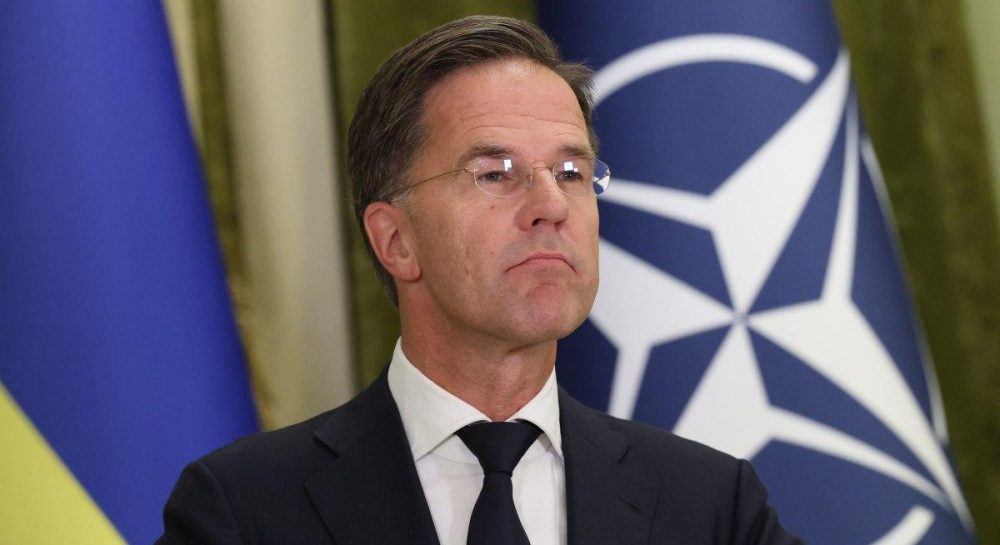
Ukraine lacks unanimous support for NATO membership yet, says Mark Rutte
NATO Secretary General Mark Rutte stated that there is currently no consensus among allies regarding Ukraine's membership, while confirming the long-term perspective.
 👥Society
How to choose a live Christmas tree: expert tips and legality checks
Ahead of the winter holidays, residents of Kherson are considering purchasing a live tree, but knowing selection rules is essential to keep it fresh.